For nearly two decades, the London Java Community (LJC) has brought developers together to learn, exchange ideas, and participate in the broader Java ecosystem. Guiding its next chapter is Community Director Steve Poole, whose career stretches from Java’s earliest days to today’s conversations about artificial intelligence (AI) and education. As LJC plans events beyond London, Poole believes user groups thrive by helping people cross barriers, share honest feedback, and find their place in the industry.
From Java’s Beginnings to Community Leadership
Poole spent 28 years at IBM, working on foundational technologies such as runtimes and compilers. When Java emerged, it brought those interests together. He joined IBM’s Java team early in its development and became both a developer and team leader. “From almost inception, not quite, I have been doing Java,” Poole said.
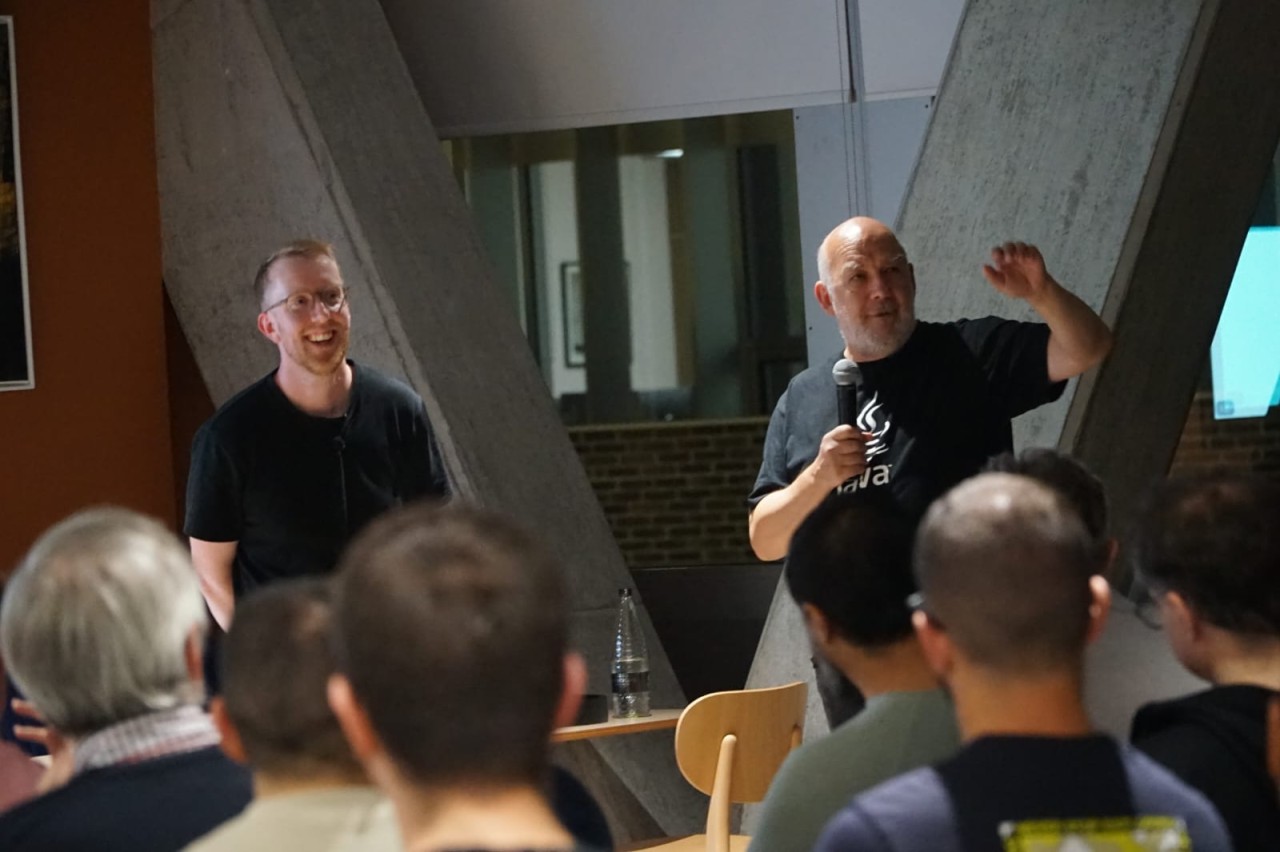
LJC was founded in 2007 by Barry Cranford, Martijn Verburg, and Ben Evans, who recognized the need for a Java user group in London. The city’s diverse technology landscape helped connect people across finance, media, academia, and other sectors.
Poole became involved early, helping LJC secure IBM event space and resources. He continued supporting the group after leaving the company and eventually became Community Director, formalizing work he had already been doing for years.
LJC has since developed a network numbering in the thousands, welcomed prominent speakers, developed new voices, and created career-building connections.
Poole connects that success to the broader Java culture. Java was shaped by organizations and individuals willing to collaborate on shared standards while competing through their implementations. LJC carried that spirit into its own work, encouraging members to help shape their community.
Creating Different Ways to Connect
Two signature programs illustrate how LJC meets the varied needs of its community.
Its roundtables bring together no more than approximately 25 people, with no slides or formal presentations. Attendees talk openly about technology, work, and their careers, making the format especially valuable for remote workers seeking face-to-face interaction.
LJC’s unconference sits at the other end of the scale. Held once or twice a year, it generally attracts between 80 and 150 people and has become one of the community’s most recognizable events.
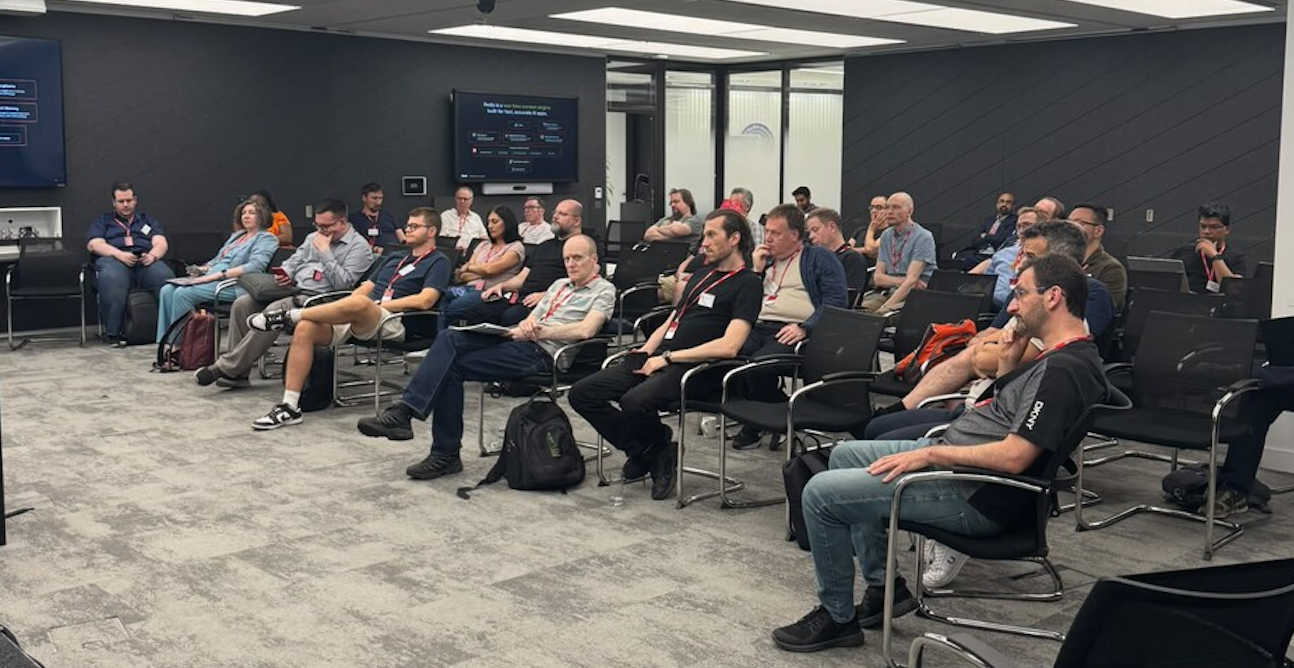
Some members attend only the unconference, while others prefer smaller gatherings. Offering several ways to participate helps experienced professionals and newcomers alike find a place within the community.
For Poole, welcoming newcomers is especially important. Aspiring developers may understand Java but still need help finding a job, building professional relationships, or navigating the industry. User groups make that knowledge accessible by connecting them with people willing to share their experience.
“I want to enable people because I was enabled,” Poole explained. “Things happened in my life. I got help, and I want to help others.”
Paying that support forward is central to Poole’s leadership. For him, success means seeing someone arrive unsure about how to enter the industry and leave with advice, encouragement, and new connections.
Giving Developers a Voice
Over the years, LJC has helped developers participate in Java’s evolution. Through community discussions, hands-on JDK sessions, and standards engagement, the group has encouraged members to explore new ideas, share practical feedback with platform developers, and represent community perspectives through the Java Community Process (JCP).
As Java has matured, these involvements have also evolved, but Poole believes user groups should continue connecting developers with the people shaping the platform.
Community input helps engineers understand what developers need. Participation also introduces developers to the business interests behind technology decisions and perspectives they may not encounter in their daily roles – experience that can become valuable as they move toward leadership.
For LJC, participation is both a way to strengthen Java and an opportunity for members to learn, build visibility, and understand the wider ecosystem.
Preparing for What Comes Next
AI has become a major topic as LJC members explore how it will affect their work and what role Java will play in the changing technology landscape.
Because AI often involves multiple languages and areas of expertise, LJC has begun collaborating with an AI community in London. This reflects the broader value of a Java user group: connecting developers with the knowledge and perspectives they need, even when those conversations extend beyond Java.
LJC also hopes to build stronger connections with students, universities, and educators interested in teaching modern Java. Creating opportunities for experienced developers and newcomers to learn together can help Java remain relevant while giving the next generation a welcoming path into the ecosystem.
Extending LJC’s Reach
Although LJC’s in-person events are centered in London, its wider network includes developers across the United Kingdom and around the world. Poole sees opportunities to reach more of that community by working with companies and other partners willing to host events in new locations.
The goal is to connect more developers with LJC’s speakers, knowledge, and community experience while creating new ways for people to participate.
LJC is also inviting members to organize workshops, lead educational activities, improve community resources, and bring forward new ideas. These invitations reflect a philosophy that has shaped the group since its early years: communities grow when people believe they can contribute.
As Java evolves, LJC is evolving with it. Its future may include new technologies, event formats, and connections across the global Java ecosystem. Its purpose remains the same: bringing people together, sharing knowledge, and helping the next generation find its place in the Java community.
Interested in becoming part of the LJC?
Visit the LJC website to learn more about its work, join the LJC Meetup group to find upcoming events, and sign up for the LJC Slack community to connect with other developers. You can also follow the London Java Community on LinkedIn for community news, event announcements, and opportunities to participate.
