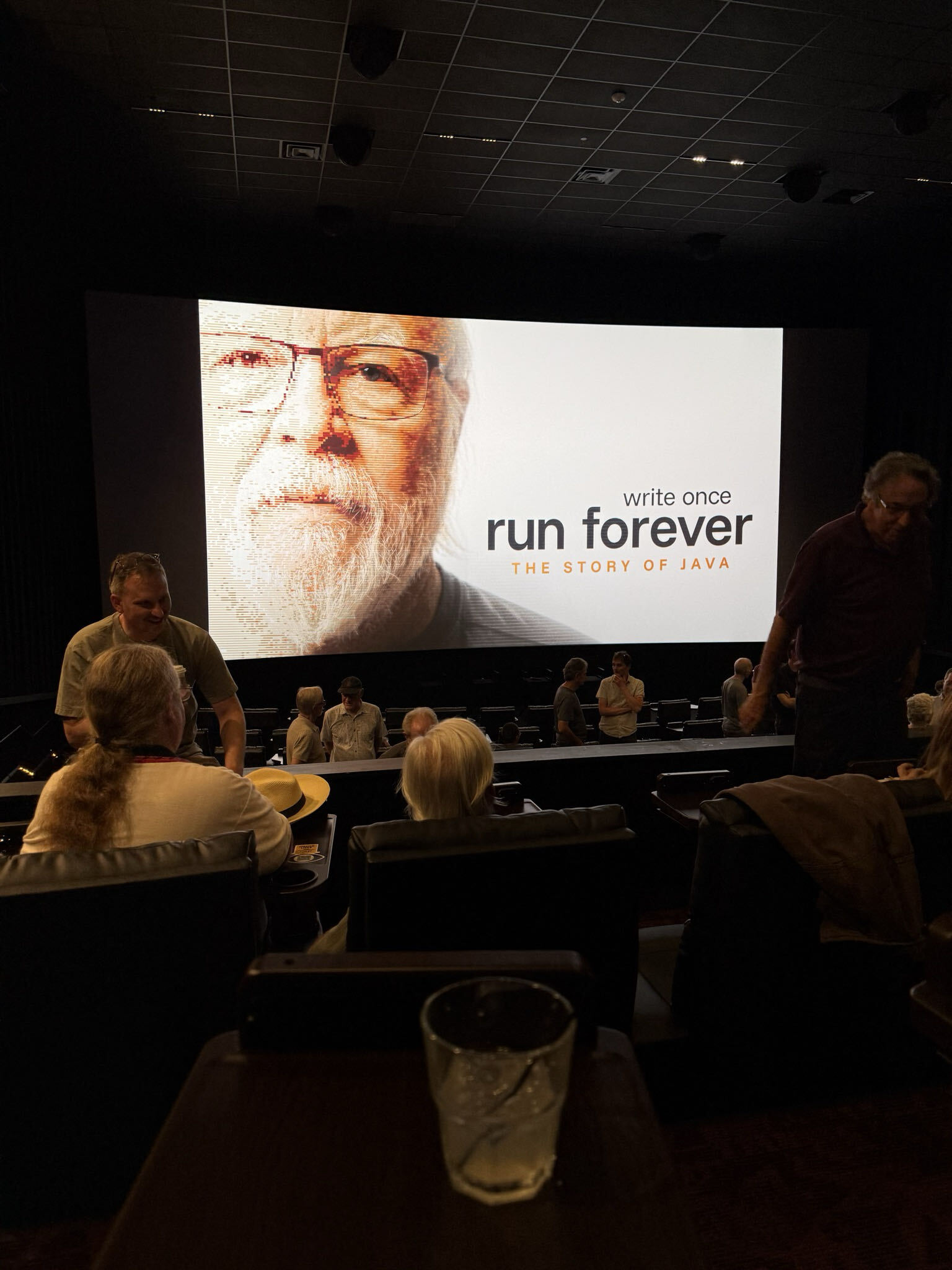
The recently released Run Forever: The Story of Java documentary is more than a history of a programming language. It tells the story of ideas, pivots, setbacks, and technical breakthroughs that transformed a small project at Sun Microsystems into one of the most influential software platforms in history.
From Project Green and Oak, through the birth of the web, enterprise Java, open source, and modern OpenJDK innovations such as Project Loom, the documentary captures Java's remarkable journey over nearly three decades. More importantly, it tells the story of the people, partnerships, and community that helped Java evolve from an ambitious engineering project into a global platform.
Whether you've been part of the Java community since the beginning or are discovering it for the first time, the documentary offers an engaging look at the milestones, decisions, and individuals that continue to shape Java today.
Java's Journey
The documentary follows the turning points that defined Java's evolution. It begins with Project Green and the creation of Oak, where a small team of engineers at Sun Microsystems, led by James Gosling, set out to solve practical problems in connected devices. From there, the story shifts to the rise of the web, showing how the arrival of the Mosaic browser inspired the team to rethink Java's future and bring interactivity to what had been a static web.
The film explores one of Java's defining promises, “Write Once, Run Anywhere,” along with the technical innovation and legal battles required to protect it. As Java found its place in enterprise computing, the documentary follows the growth of community-driven frameworks, projects, and open-source libraries, including Spring and Hibernate, and the OpenJDK projects—Loom, Panama, and Valhalla—that continue to shape the platform today.
The documentary celebrates Java's technical achievements, but it also makes another point: lasting success is not built on technology alone. It requires collaboration, stewardship, and a shared commitment to the future of the platform.
The Java Community Process: Formalizing Collaboration
As Java's adoption accelerated throughout the late 1990s, technical innovation alone was no longer enough. A growing ecosystem of developers, companies, and organizations depended on Java. The challenge became how to evolve the platform together while preserving the compatibility that made it successful.
As the documentary explains, Sun created the Java Community Process (JCP) because traditional standards organizations could not be relied upon to protect Java's long-term vision. Rather than functioning like a traditional standards body, the JCP established a collaborative framework for developing Java technologies while protecting one of the platform's defining characteristics: compatibility.
Heather VanCura, Chair of the JCP, explains that the JCP formalized the collaborative approach that had guided Java since its earliest days. Because Java was created by developers solving practical problems for other developers, its governance evolved with the same philosophy. The JCP provided an open, structured process that enabled the platform to continue growing while remaining consistent and reliable.
The JCP evolved alongside Java itself. What began with participation from industry expanded to include educational institutions, Java User Groups, and individual contributors. The documentary also describes the guardrails introduced through the JCP: a way to balance freedom and experimentation with the stability and compatibility that a global ecosystem depends on.
“The Java Community Process is key to the success of Java because it enables the entire ecosystem to grow: multiple implementations, third-party libraries and tools and frameworks, and everything you see that makes Java really so much bigger than any one thing, even bigger than the language.”
That observation captures one of the documentary's central messages. Community projects such as Tomcat, Spring, and Hibernate demonstrated that innovation could come from anywhere in the ecosystem. OpenJDK expanded participation even further, while the six-month release cadence and projects like Loom illustrate how Java continues to evolve without compromising quality, stability, and compatibility.
A Story Still Being Written
The documentary closes by looking toward the future rather than the past. It highlights the technologies that will shape Java's next chapter, but it also reminds viewers that the platform's greatest strength has never been a single feature or a single company. It has always been the community that sustains it.
Beyond developing specifications, the JCP provides a place where members of the Java community come together to explore the future of the platform through collaborative working groups. Java in Education helps prepare the next generation of developers; Java Ecosystem strengthens the health and sustainability of the platform; and Java and AI explores Java's role in the rapidly evolving AI landscape.
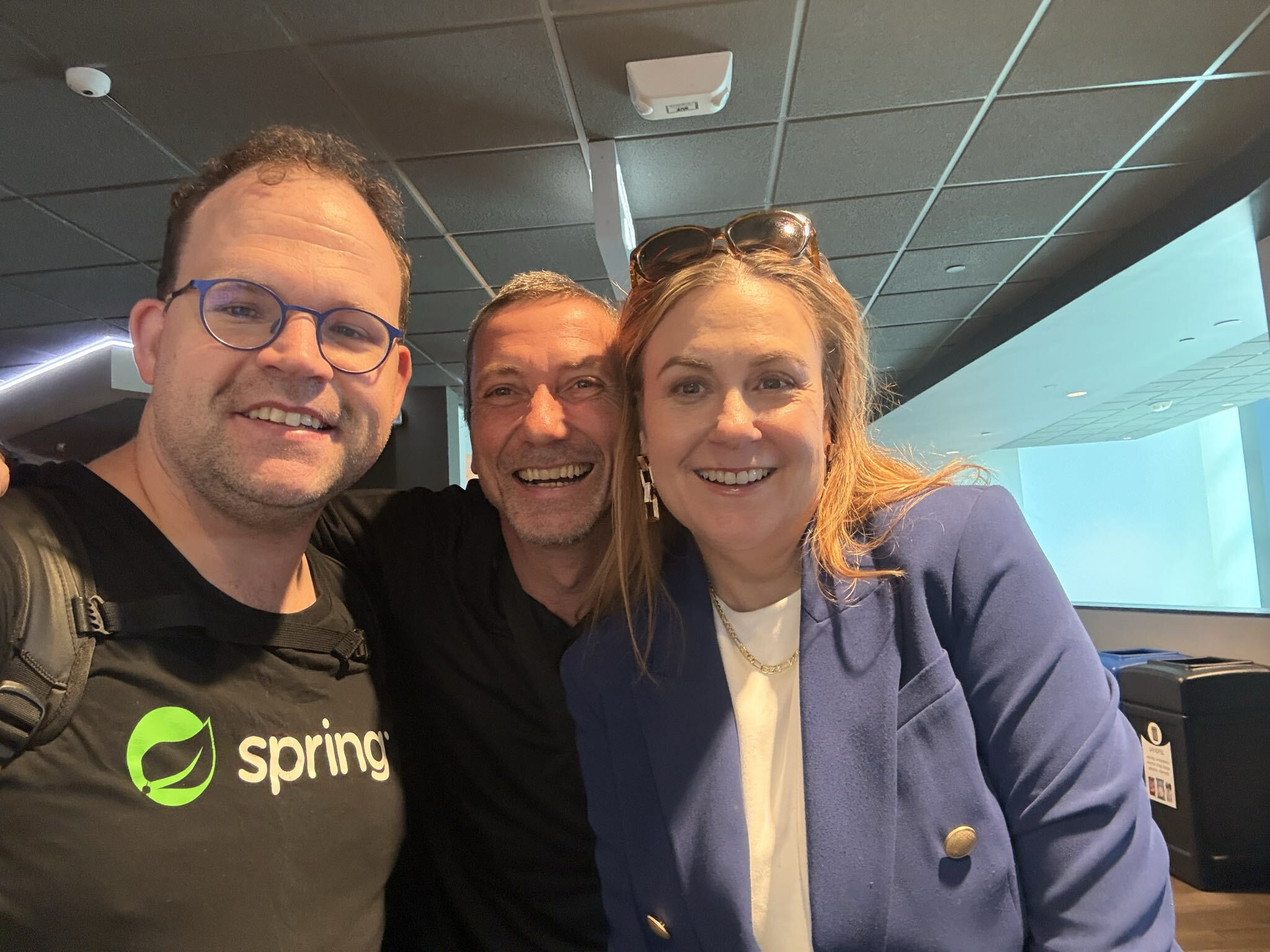
As the documentary demonstrates, Java's story has never been static. Every generation has faced new technologies, new challenges, and new opportunities. Through the JCP and its global community, that story continues to be written.
If the documentary inspires you to become part of that story, the JCP welcomes your participation. Learn more about joining the JCP and explore the working groups. We encourage you to watch the documentary, celebrate the remarkable people, ideas, and community behind Java's history, and become part of its future—because Java's story has never been just about code. It has always been about the people who continue to build it together.
