For the Japan Java User Group (JJUG), community is not a side benefit of technology. It is the work itself.
Founded in 2007, JJUG has grown into one of Japan’s largest Java communities. But its role has always been broader than organizing events for developers in one city. JJUG brings together local Java communities across the country, creates space for people who may otherwise feel excluded, and connects Japan’s developers with the global Java ecosystem.
As Shin Tanimoto, JJUG’s executive leader and a Java Champion, explained, “JJUG was created as a community for communities.”
Connecting Communities Across Japan
JJUG supports Java communities throughout Japan, rather than concentrating opportunities in Tokyo. It helps bring experienced speakers to regional events and supports travel for talented engineers outside Tokyo to speak at JJUG CCC, the group’s Cross Community Conference, held twice a year. The aim is to keep the Java ecosystem active across the country.
Shin’s own story reflects that commitment. He first used Java for academic research at university, then joined a company where Java was the primary programming language. In 2010, while living in Osaka, he and his friends founded KanJava because no local Java community existed in the region. After moving to Tokyo, Shin became involved with JJUG, speaking at conferences and participating in communities in Japan and abroad. He later became JJUG’s executive leader.
For Maaya Ishida, JJUG’s sub-leader, the group provided a different kind of bridge: an entry into the wider developer community. Java was the first programming language she learned during pre-employment training at her first company. When she joined JJUG in 2015, she discovered a culture of technical exchange and connection that she had not known before.
“I simply wanted to give back to the community that has given me so much,” Maaya said.
Making Space for More Voices
Maaya’s experience also shaped one of JJUG’s most important inclusion efforts. In 2015, few women were speaking at large Java events in Japan. For many, that could feel intimidating in rooms dominated by older, highly experienced male developers. JJUG supported the creation of the Javajo (Java Women User Group), giving women interested in Java a smaller, safer space to share ideas, build confidence, and move from attendee to speaker. It is part of a wider effort to lower barriers for younger developers, women, newcomers, and anyone interested in joining or starting a community.
That welcoming approach has helped JJUG grow to more than 10,000 members. Still, size is not the only measure of success. JJUG encourages members to participate actively: to speak, organize, learn from one another, and create communities of their own.
Regular in-person events help make those connections real. JJUG hosts Night Seminars every month and JJUG CCC twice a year. While online events can help people connect, Maaya noted that face-to-face gatherings create broader conversations and relationships that are difficult to recreate virtually. JJUG CCC also provides childcare and English-language sessions, helping make the conference more accessible to developers with young children and participants from outside Japan.
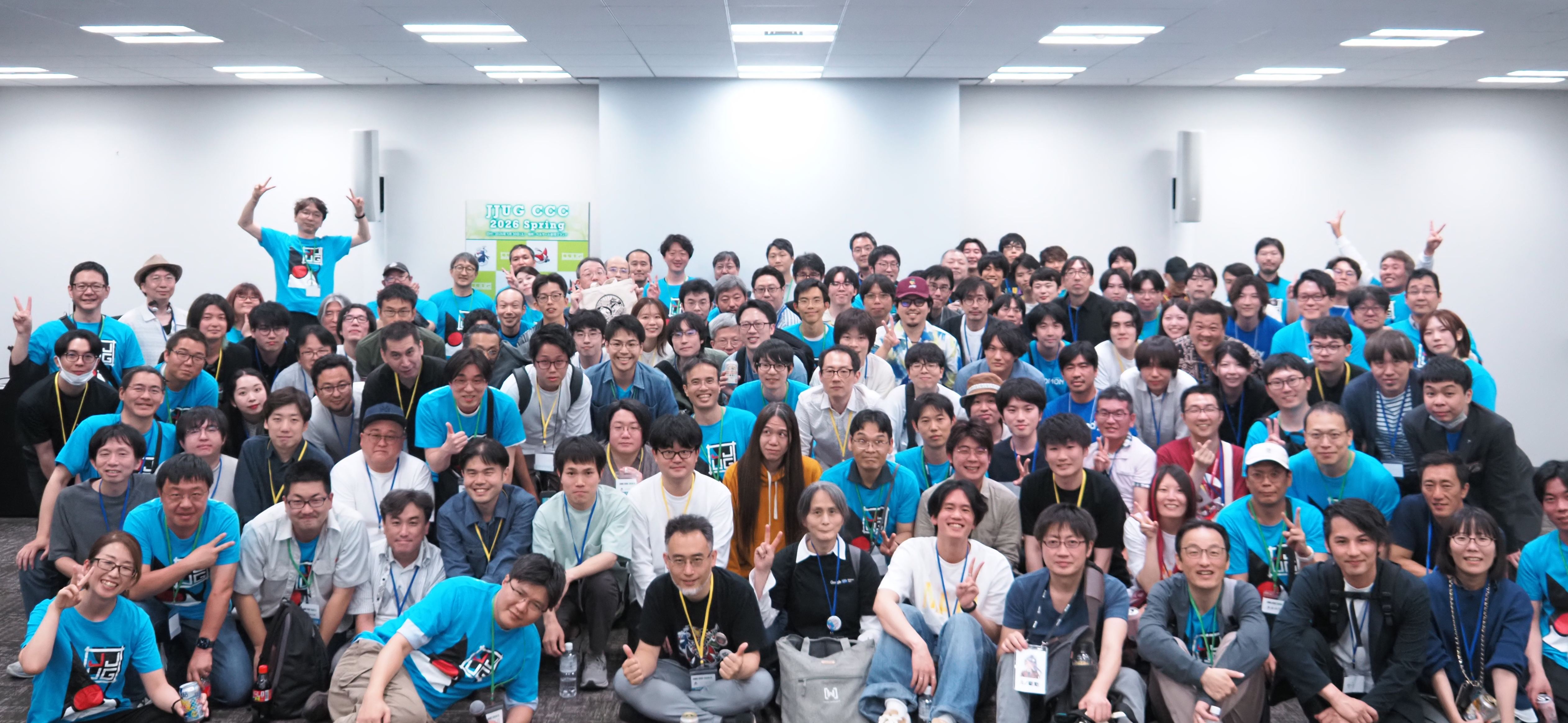
The events also help members engage with a changing technology landscape. AI agents are an increasingly important topic, alongside Java technologies, frameworks, and development practices. For Shin, the challenge is not simply learning a new tool but changing how developers approach their work. Maaya also sees developers expanding their skills to communicate effectively with AI through natural language.
From Japan to the Global Java Community
JJUG’s connection to the wider Java community helps its members navigate these changes with a global perspective. After winning an Associate Seat on the JCP Executive Committee in 2023, Shin and Maaya served as JJUG’s representatives from December 2023 through 2025. Their experience gave them a closer view of how Java evolves, including the discussions and tradeoffs behind new features, while also creating an opportunity to share Japan’s experience with the global Java community.
Serving on the EC also helped JJUG bring the context behind Java’s evolution back to the Japanese community through its events. The group sees continued participation as a way to strengthen the connection in both directions: helping ideas, experiences, and community voices from Japan reach a global audience while bringing global perspectives to Japanese developers. Seasar, a successful Java project in Japan that never became widely known internationally, partly because of the language barrier, is one example of the kind of experience JJUG hopes to share more broadly.
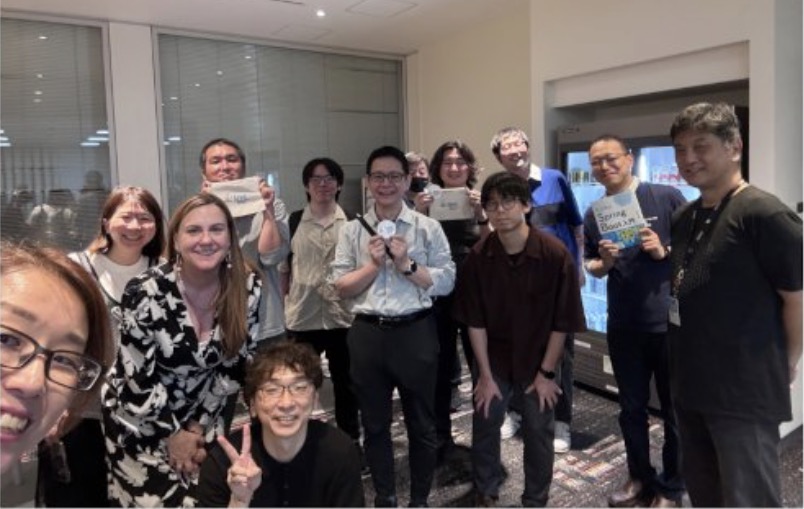
JJUG has carried those connections back into its regular activities. Its leaders shared JCP updates at Night Seminars and JJUG CCC, helping local developers better understand the Java Community Process. Those international relationships have also brought more global speakers to Japan, creating new opportunities for members to learn from perspectives beyond their own community.
JOnsen, a relaxed English-language unconference at a Japanese hot spring, brings that international connection to life. Developers from Japan and abroad gather to discuss technology, exchange ideas, and build relationships in an informal setting. As Java User Groups evolve alongside AI, JJUG remains focused on its central purpose: bringing people together.
Get Involved
To learn more about the Japan Java User Group, visit the JJUG website. Follow JJUG on X or Facebook for news and upcoming events, join the JJUG Slack community, or use the contact form to get in touch.
